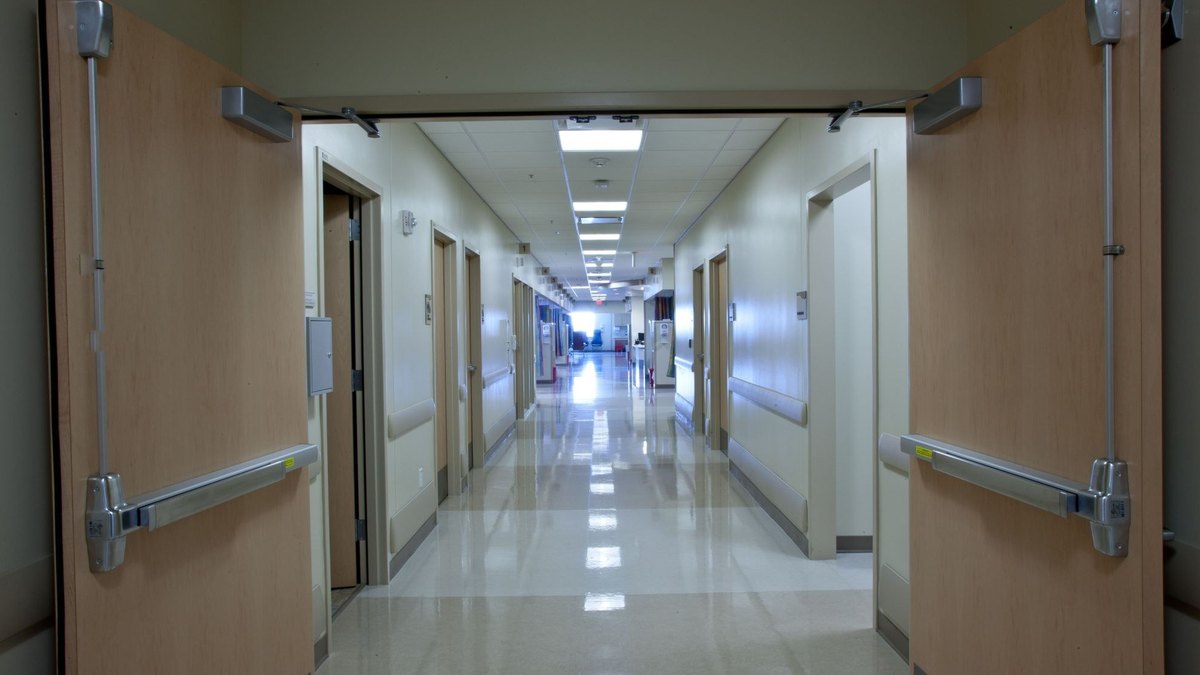
"FD30", "90-minute", "EI60" and "-/60/30" are not four ways of saying the same thing. They come from different test methods, different classification systems and different building codes. A rating is granted to a complete doorset as it was tested (leaf, frame, hinges, latch, closer, glazing and seals), not to a door leaf in isolation. For a buyer sourcing across markets, the practical question is therefore not "how many minutes" but "which document proves what". This guide maps the main standards to the documents a supplier should hand over, and flags the wording that most often causes a non-compliant order.
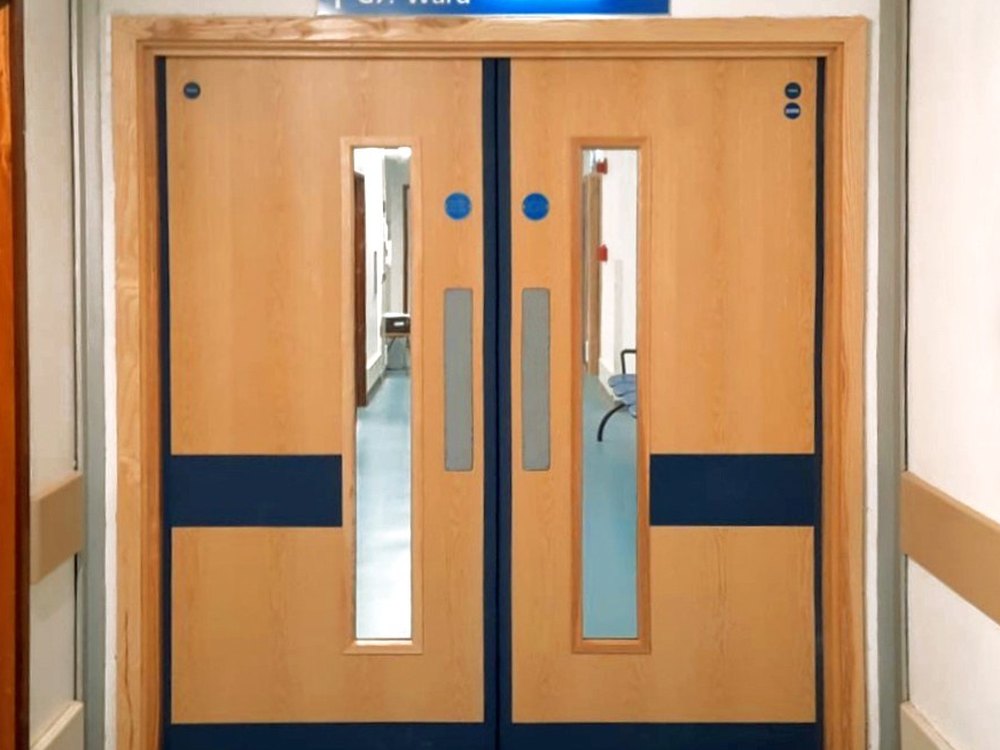
Most specification errors come from collapsing three different decisions into one number. Building codes decide where a rated opening is needed and what performance it must achieve. Test standards describe how the assembly is exposed to fire. Installation and maintenance standards govern how it is put in and kept working. A test report answers only the second question.
| Layer | Question it answers | Typical references | Who decides |
|---|---|---|---|
| Building code | Where is protection required, and which rating or classification applies | IBC, NFPA 101, Approved Document B, NCC/BCA | Designer, certifier and AHJ |
| Test and classification | How was this doorset tested, and how is the result expressed | UL 10C, NFPA 252, EN 1634-1 / EN 13501-2, BS 476-22, AS 1530.4 | Accredited laboratory and classification body |
| Installation and upkeep | How must it be installed, inspected and maintained | NFPA 80, AS 1905.1, manufacturer's instructions, project specification | Contractor, owner and AHJ |
When a supplier answers "it is a 60-minute door" to all three questions, ask for the code reference, the full test report and the installation instructions as separate items.
Fire-protection-rated door assemblies are tested to UL 10C (positive pressure fire tests of door assemblies) or NFPA 252 (standard methods of fire tests of door assemblies). UL 10B is the older neutral-pressure method. ASTM E119 and UL 263 are fire tests for building construction and wall assemblies; quoting them as a door test is a category error. Where a door also has to limit smoke and air leakage, UL 1784 is the air-leakage test and NFPA 105 the smoke door assembly standard; the resulting "S" designation is separate from the hourly rating. The IBC deals with ratings, labeling and construction for fire door assemblies, while the International Fire Code sends ongoing inspection and maintenance back to NFPA 80.
North American ratings include 20, 45, 60, 90 and 180 minutes, but the number is selected from the code's opening-protective tables according to the wall and the opening's function; it is not a product feature a buyer chooses freely. The rating of the door assembly is usually lower than the fire resistance rating of the wall it sits in, because the wall and the opening are tested differently. Ask which table produced the number before it goes into the door schedule.
Evidence in this market is the listing and the label. A label from an accepted testing laboratory carries the manufacturer, the certification agency mark, the rating, the fire test standard and, where applicable, the 30-minute temperature rise. The listing directory or report defines the field of application: which frames, hinges, closers, glazing sizes and seals were tested with that leaf. A component that is not in that scope is a substitution, even if it looks identical. For our UL and BS certified steel fire doors, doors with vision panels and fire exit doors with panic hardware, the hardware schedule is part of the same conversation as the rating.
EN 1634-1 is the European fire resistance and smoke control test for door and shutter assemblies; EN 13501-2 turns the result into a classification such as E30, EI30 or EI60, where E is integrity and I is insulation, with Sa or S200 markings used where smoke control was tested. BS 476-22 is the older British test that produced the familiar FD30 and FD60 shorthand. UK guidance has been moving from the national route to the European classification system on a published transition timetable; which route a project may use depends on the edition of Approved Document B and the project's specification, so confirm it with the building control body rather than assuming either is universally current.
FD30 is not equivalent to EI30. The furnace conditions, classification rules and extension-of-application logic differ, and a doorset tested to one route cannot be substituted for the other on the strength of the number alone. Hardware, frame fixing, glazing and seals must all trace back to the tested configuration; a change to any one of them can take the assembly outside its field of application. In the EU, CE marking and the Declaration of Performance under the Construction Products Regulation provide the traceability chain; for Great Britain, check whether CE recognition or UKCA marking applies to the product and the project. A mark on a datasheet is not evidence; read the classification report and its list of tested specifications.
AS 1530.4 sets out the fire-resistance test for elements of construction. Results are expressed as a Fire Resistance Level covering structural adequacy, integrity and insulation; for a door the first figure is usually not applicable, so a designation such as -/60/30 describes integrity and insulation minutes. AS 1905.1 is the prescriptive standard for fire-resistant doorsets: it covers construction, frames, hardware, glazing, seals, clearances and installation. The National Construction Code references these standards as deemed-to-satisfy solutions. For an imported doorset, the useful evidence is the test report from an accredited laboratory together with the hardware schedule and installation certificate that match the tested configuration.
The pattern is the same in all three markets: the rating belongs to the tested doorset, and the documents must describe the same set of parts. Our NFPA 80 annual inspection guide covers what happens after installation; the rest of this article stays with procurement.
| Document | What it proves | Red flag |
|---|---|---|
| Full test report, not a summary | Test standard, furnace conditions, specimen construction and results | Only a one-page certificate or a product photo |
| Classification report or listing | How the result is expressed: minute rating, EI class or FRL | A number without the standard that produced it |
| Field of application or tested specifications list | The permitted leaf sizes, frames, hardware models, glazing and seals | "Equivalent" parts with no reference to the tested list |
| Certification or listing directory entry | Third-party certification is current and traceable to the manufacturer | A logo with no directory record |
| Label artwork and label positions | What the inspector will find on the door and frame | Labels described but never shown |
| Declaration of Performance or equivalent market document | Traceability under the applicable regulatory route | Marking claimed for a market where it does not apply |
| Hardware and glazing schedule with model numbers | Every component can be matched to the tested configuration | "Fire rated hardware" with no model or listing |
| Installation instructions and inspection record template | The assembly can be installed and maintained as tested | No handover documentation at all |
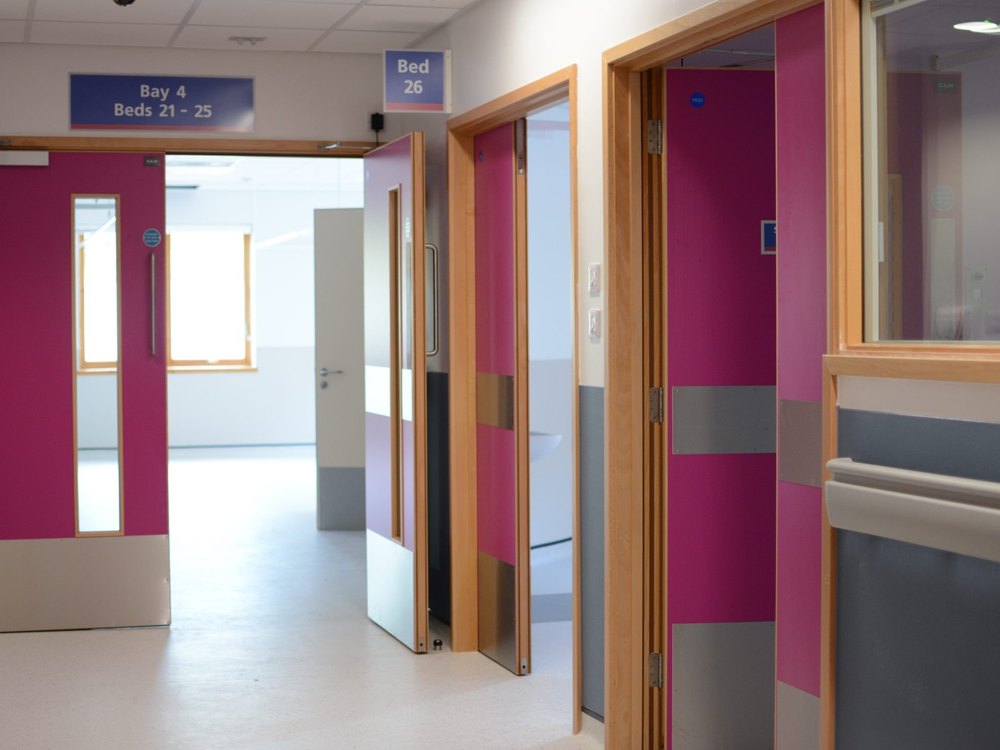
Once the documents are agreed, keep them in the same folder as the door schedule and the annual inspection records described in our inspection guide. For projects under Chinese codes, the GB 12955-2024 classes and hardware checklist explains a different but equally document-driven route. If you want a second pair of eyes on a specification, send us the door schedule and the certificates you have and we will mark which documents are still missing. Our fire-rated hardware and intumescent seals are selected against the assembly rather than quoted as isolated parts.
No. UL 10C and NFPA 252 are fire tests for door assemblies, the former under positive pressure. ASTM E119 and UL 263 are fire tests for building construction and wall assemblies. A wall test report does not certify a door, and a door test report does not rate the wall.
No. FD30 comes from the BS 476-22 route; EI30 is an EN 13501-2 classification based on EN 1634-1 testing, with different rules for classification and for extending the result to other configurations. Check which route the project's building control body accepts before ordering.
It refers to air-leakage performance tested under UL 1784, relevant where the opening is also required to control smoke and draft. It is separate from the hourly fire rating and depends on listed gasketing being installed as tested.
Only if that exact combination is covered by the tested configuration and its field of application. A listing belongs to a doorset, not to a generic leaf, and substituting the frame, hinges, glazing or seals can take the opening outside the certification.
The full test report and its list of tested specifications. The classification, certificate and label are summaries of that evidence; if the proposed door schedule cannot be traced line by line to the tested parts, the rest of the paperwork will not survive a site inspection.
Standard designations and their roles were checked against NFPA's fire door FAQ, Construction Specifier's smoke door and fire door comparison, a UL and NFPA test-standard quick guide, published UK guidance on the BS 476-22 transition, and Australian AS 1530.4 / AS 1905.1 compliance references. No ratings, clearances, prices or lead times have been taken from supplier marketing pages. Editorial photographs were located through public image search and cropped for layout; they are illustrative only and do not show a specific certified product.

GB/T 5237.6-2017 and GB/T 23615.1-2017 govern two different goods. Read both markings before you sign the packing list.
Read more
QB/T 2698-2024 covers overhead closers and excludes fire door closers. QB/T 2697-2024 covers floor springs. Fix the scope first.
Read more
How to name the exact AAMA and GB/T edition on an aluminium finish enquiry, and what the 2026 FGIA revisions changed in the specification line.
Read moreSend us the categories, models or opening sizes you need. We will organise the configuration and quotation, in Chinese or English.